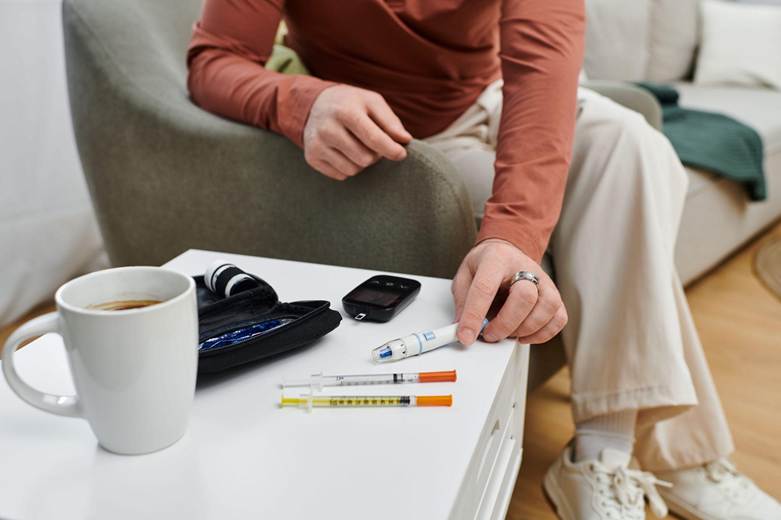
Travel can disrupt even the most familiar daily routine. Louis Newton Saslaw understands that living with Type 1 diabetes makes preparation especially important when schedules, meals, activity levels, and surroundings may change unexpectedly.
Traveling can still be enjoyable and rewarding, but managing a chronic condition away from home adds another layer of planning. Delayed flights, misplaced luggage, unfamiliar restaurants, changing time zones, and spontaneous activities are ordinary travel complications. For someone managing Type 1 diabetes, these can also affect routines that normally feel predictable.
Familiar Routines Become Less Predictable Away From Home
At home, many parts of diabetes management happen within a familiar environment.
Meals may follow a relatively consistent schedule. Supplies have established storage locations. Exercise routines are predictable, and replacing something that runs out may be relatively straightforward.
Travel changes that environment.
A morning flight may require waking much earlier than usual. A restaurant reservation could be delayed. A planned afternoon activity might involve considerably more walking than expected.
The goal is not to eliminate every disruption. That would make spontaneous travel nearly impossible. Instead, preparation can make changes easier to manage when they occur.
Essential Supplies Belong Within Reach
One of the simplest travel principles is keeping essential diabetes supplies accessible.
Checked luggage can be delayed, misplaced, or temporarily inaccessible. Even when everything arrives correctly, a suitcase in an aircraft cargo hold is not useful when something is needed during the journey.
A carry-on or personal bag provides more direct access.
Depending on an individual’s treatment plan, preparation may include insulin, glucose-monitoring supplies, medications, appropriate snacks, identification, and other necessary items.
The exact list varies from person to person, which is why packing should reflect an individual’s established diabetes-management routine rather than a generic checklist.
Pack for More Than the Expected Schedule
A three-day trip does not always remain a three-day trip.
Weather disruptions, canceled flights, transportation problems, or other unexpected circumstances can extend travel.
That makes additional supplies valuable.
Packing only the exact amount expected for the planned itinerary leaves little room for disruption. Having appropriate extras can provide flexibility when the return home does not happen exactly as scheduled.
This principle extends beyond medical supplies.
An extra snack, a backup charging option for relevant devices, copies of important information, and other small preparations can become useful when the original plan changes.
Meals Can Be Less Predictable While Traveling
Food is one of the pleasures of travel, but restaurant meals can introduce uncertainty.
Portion sizes may differ from expectations. Ingredients are not always obvious. Meal times may change because of reservations, sightseeing, traffic, or transportation schedules.
Rather than avoiding restaurants, travelers can simply recognize that dining away from home may require more attention than familiar meals.
Looking at menus ahead of time can sometimes help. Carrying an appropriate snack may also be useful when a meal is unexpectedly delayed.
Experience can make estimating unfamiliar meals easier, but familiarity with diabetes does not make every restaurant plate predictable.
Activity Levels Can Change Dramatically
Travel frequently involves more physical activity than people realize.
Walking through airports, exploring cities, visiting museums, hiking, swimming, or simply spending an entire day sightseeing can create a very different activity level from an ordinary day at home.
The opposite can also occur.
Long flights, road trips, and extended train journeys can involve hours of sitting.
Because activity can influence blood glucose, recognizing these changes matters.
Travelers can pay attention to how much they are moving rather than assuming vacation days resemble normal routines. Monitoring personal responses can help identify when adjustments may need to be discussed or handled according to an established care plan.
Time Zones Can Complicate Familiar Schedules
Crossing time zones adds another challenge because the clock changes while the body’s routine does not instantly follow.
Medication schedules, sleep, meals, and activity can all shift.
For short trips, the disruption may be relatively modest. Long-distance travel can create much larger changes.
Planning these transitions before departure can reduce uncertainty.
For questions involving insulin timing or other treatment changes, individualized guidance from an appropriate healthcare professional is more reliable than improvising during the trip.
The broader lesson is simple: time-zone changes should be considered before boarding the plane rather than after arriving tired in an unfamiliar destination.
Technology Helps, but Technology Can Fail
Modern diabetes technology can make travel more manageable, but electronic devices introduce their own practical considerations.
Devices need power. Sensors or components may need replacement. Phones can run out of battery. Chargers can be forgotten.
A travel plan should account for those possibilities.
That might mean bringing appropriate charging equipment, carrying necessary replacement supplies, and understanding what to do if a regularly used device becomes unavailable.
Technology can provide tremendous convenience, but preparation should not assume every device will operate perfectly throughout the entire journey.
A Backup Plan Should Be Specific
Saying “I’ll figure it out” is not really a backup plan.
A useful backup plan answers practical questions before they become urgent.
For example:
- What happens if the trip home is delayed?
- Where are essential supplies being carried?
- What happens if a device stops working?
- Is important medical information readily available?
- What if a meal is delayed for several hours?
- What resources are available at the destination?
Thinking through realistic scenarios can make them less disruptive if they occur.
Not every possibility needs a complicated response. Often, the value comes from having already considered the situation.
Travel Companions Can Know the Basics
People traveling with family members or friends do not need to become diabetes experts.
However, sharing some basic information may be useful.
A travel companion can know where essential supplies are kept, understand that unexpected schedule changes may require attention, and know whom to contact if assistance is needed.
This can be particularly helpful during longer trips or activities away from familiar services.
The objective is not to make diabetes the focus of the vacation. It is simply to prevent important information from being known only by one person.
Preparation Can Create More Freedom
It might seem that extensive preparation makes travel feel restrictive.
In practice, the opposite can be true.
When essential supplies are accessible, reasonable backups are available, and potential disruptions have been considered, there may be less need to worry about every change in the itinerary.
Preparation can create room for flexibility.
A restaurant changes, a flight is delayed, or an activity lasts longer than expected. Instead of immediately becoming a major problem, the change becomes something the traveler has already considered.
That allows attention to return to the reason for traveling in the first place.
Experience Does Not Make Preparation Unnecessary
Someone who has managed Type 1 diabetes for decades may understand personal routines extremely well.
That experience is valuable, but it does not make unexpected circumstances disappear.
In fact, experience can reinforce the importance of planning because it provides countless examples of how ordinary days can change.
Travel combines many variables at once: food, activity, sleep, transportation, schedules, climate, and unfamiliar surroundings.
A strong routine provides a foundation, while preparation helps that routine adapt to a different environment.
Final Thoughts
Traveling with Type 1 diabetes involves more preparation than simply choosing a destination and packing clothes.
Essential supplies need to remain accessible. Delays should be anticipated. Meals, physical activity, time zones, technology, and changing schedules all deserve consideration.
No plan can predict every circumstance.
That is why having alternatives matters.
A backup supply, an additional snack, accessible information, or a plan for an unexpected delay may seem unnecessary when everything goes smoothly. Its value becomes clear when the original plan stops working.
Good preparation is not about allowing diabetes to dominate a trip. It is about reducing avoidable uncertainty so that changing circumstances are easier to handle.
Sometimes the most useful travel plan is not simply Plan A or even Plan B. It is knowing that if circumstances change again, there is still another reasonable way forward.